SpaceX’s AI Expansion Faces Challenges as AI Competition Intensifies in 2026

The global artificial intelligence race is accelerating rapidly, but not every major technology player is moving at the same pace. While companies like OpenAI, Google, Microsoft, and Anthropic continue to dominate headlines with new AI breakthroughs, SpaceX’s broader AI ambitions are reportedly struggling to gain significant momentum.
Although Elon Musk-linked companies remain deeply involved in advanced technology and infrastructure, analysts believe SpaceX’s AI initiatives have yet to establish a clear competitive position in the fast-moving generative AI ecosystem.
At the same time, the AI industry continues to evolve at extraordinary speed, with Anthropic reporting massive revenue growth, NVIDIA strengthening its dominance in AI hardware, and governments beginning to investigate the long-term impact of AI on employment.
The latest developments highlight how artificial intelligence is reshaping business, technology, and the global economy simultaneously.
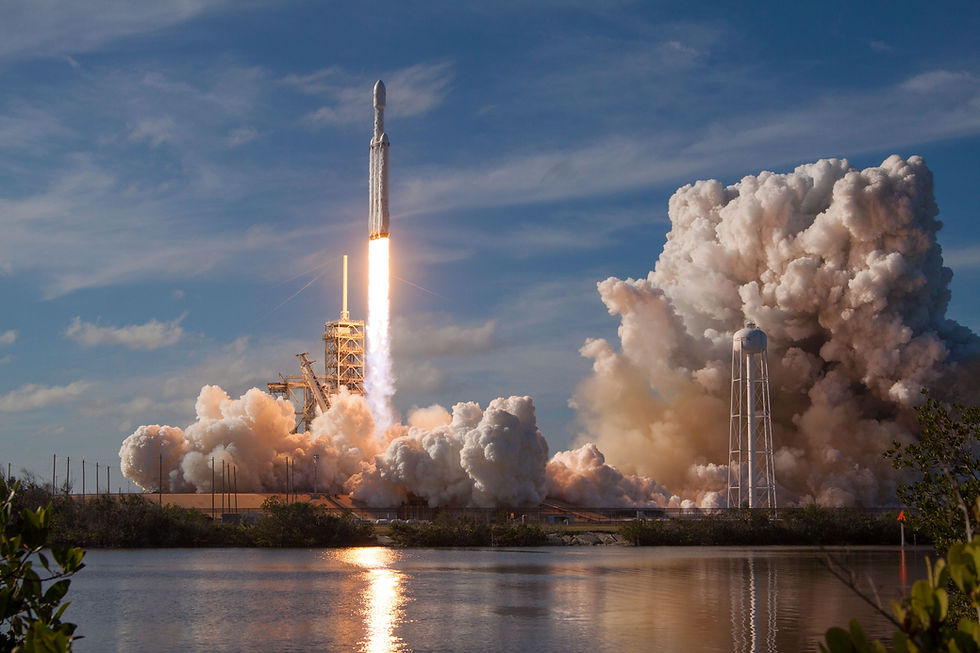
SpaceX AI Strategy Faces Growing Competition
SpaceX has built a reputation for revolutionizing aerospace and satellite communications, but artificial intelligence presents a very different challenge.
Unlike the space industry, the AI market is evolving at an extremely rapid pace where success depends on:
Massive AI computing infrastructure
Advanced language models
Continuous software iteration
Enterprise partnerships
AI developer ecosystems
Data acquisition and optimization
Although Elon Musk has positioned several ventures around AI innovation, industry experts believe competitors currently hold stronger advantages in commercial AI deployment and enterprise adoption.
Companies such as OpenAI and Anthropic have already integrated AI products into mainstream business workflows, giving them substantial market visibility and recurring revenue growth.
SpaceX’s AI-related initiatives are still viewed as being in earlier developmental stages compared to established generative AI leaders.
Anthropic Revenue Growth Highlights AI Industry Boom
One of the biggest stories in the AI sector is the rapid rise of Anthropic.
The company has reportedly experienced major revenue growth as businesses increasingly adopt enterprise AI tools and large language model solutions.
Anthropic’s expansion demonstrates how demand for AI-powered automation, research assistance, and productivity tools continues to surge across industries.
Large corporations are now investing heavily in AI systems for:
Customer support automation
AI-powered analytics
Internal productivity tools
Software development assistance
Research acceleration
Data summarization
Business intelligence
The rapid adoption of generative AI platforms is helping companies like Anthropic emerge as major players in the global technology landscape.
Investors are also showing strong confidence in AI startups capable of competing with OpenAI and Google.
Nvidia Continues Dominating the AI Infrastructure Market
While AI software companies compete for users, NVIDIA continues to dominate the hardware side of the industry.
The company remains the backbone of modern AI infrastructure because its GPUs power many of the world’s largest AI models and supercomputers.
NVIDIA’s market value has surged dramatically due to growing demand for:
AI training clusters
Data center GPUs
Enterprise AI infrastructure
Autonomous systems
Scientific AI computing
AI cloud platforms
Some analysts now describe NVIDIA as the most important infrastructure company in the AI era.
Despite approaching a historic $5 trillion valuation milestone, NVIDIA continues positioning itself as an underdog competing in an increasingly crowded AI market.
The company is aggressively investing in next-generation AI chips, networking technologies, and high-performance computing systems.
California Studies AI-Driven Job Displacement
As AI adoption accelerates, governments and policymakers are becoming increasingly concerned about workforce disruption.
California has reportedly begun studying how artificial intelligence may affect employment across multiple sectors.
The research focuses on understanding which industries are most vulnerable to AI automation and how workers may need to adapt in the coming years.
Jobs involving repetitive digital tasks are considered especially at risk, including roles in:
Data entry
Administrative support
Basic customer service
Content moderation
Routine programming tasks
Scheduling and operations management
However, experts also argue that AI could create entirely new categories of employment centered around:
AI supervision
Prompt engineering
AI safety
AI operations
Human-AI collaboration
AI training systems
The long-term economic impact of AI remains one of the biggest unanswered questions in the technology industry.
AI Competition Is Entering a New Phase
The AI race is no longer limited to chatbot development.
Technology companies are now competing across several critical areas:
AI Infrastructure and Computing Power
Companies are investing billions into AI data centers, GPU clusters, and advanced networking systems to support future AI models.
AI Enterprise Adoption
Businesses increasingly want AI systems that improve productivity, automate workflows, and reduce operational costs.
AI Regulation and Ethics
Governments worldwide are beginning to introduce discussions around AI governance, transparency, and responsible deployment.
AI Talent Acquisition
The competition for top AI researchers and engineers has become extremely intense as companies seek to secure long-term innovation advantages.
Elon Musk’s Broader AI Vision Remains Significant
Even though SpaceX’s AI efforts may not yet rival leading AI companies, Elon Musk remains one of the most influential figures shaping discussions around artificial intelligence.
Musk has repeatedly warned about AI safety risks while simultaneously investing in AI infrastructure and advanced technology systems.
His companies continue exploring areas including:
Autonomous systems
Robotics
AI-powered communication networks
High-performance computing
Satellite-based data ecosystems
Analysts believe Musk’s long-term AI strategy may focus more heavily on integrating AI with physical infrastructure and autonomous technologies rather than competing directly in mainstream chatbot markets.
Conclusion
The artificial intelligence industry is evolving at an extraordinary pace, creating both enormous opportunities and significant challenges.
While SpaceX’s AI ambitions are still developing, competitors like Anthropic and NVIDIA are rapidly strengthening their positions in the global AI economy.
At the same time, governments are beginning to examine how AI could reshape labor markets and economic structures worldwide.
The coming years are likely to determine which companies successfully dominate the next generation of AI infrastructure, enterprise platforms, and intelligent systems.
As the AI race intensifies, innovation, computing power, and real-world adoption will become the defining factors that shape the future of the industry.



Comments